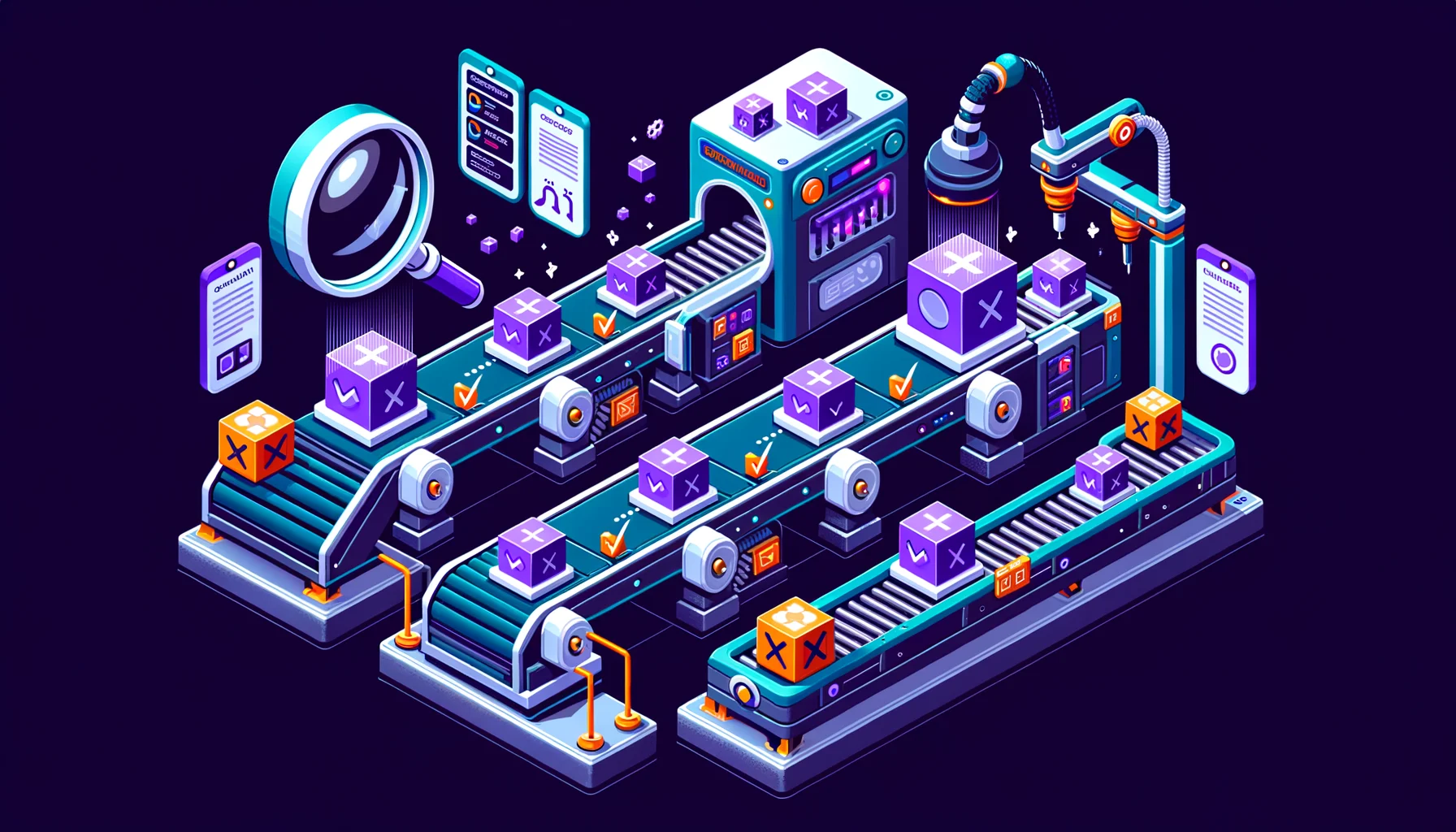
Kyverno policy governance visualization

Kyverno Policies: Governance as Code for Kubernetes

Rules that exist only in documentation don’t get followed. Rules enforced by computers do. Kubernetes gives you incredible flexibility. Every team can deploy whatever they want, configured however they like. This freedom becomes chaos without guardrails. Kyverno is a policy engine for Kubernetes. It validates, mutates, and generates resources based on policies you define — as Kubernetes-native YAML. Why Kyverno? There are multiple policy engines: Open Policy Agent (OPA) with Gatekeeper, Kyverno, Kubewarden. I chose Kyverno because: ...

July 14, 2025 · 7 min read · Tom Meurs
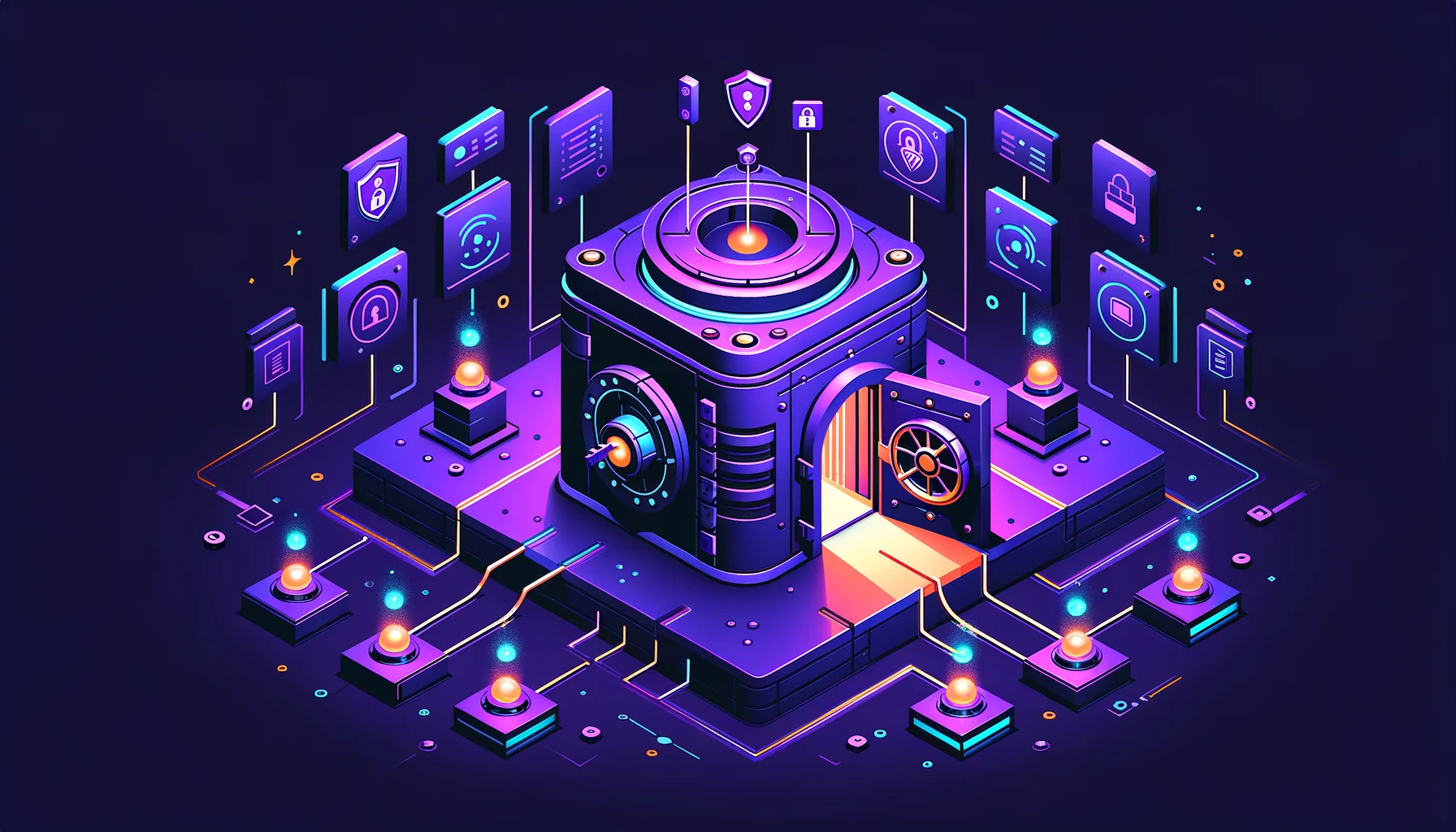
Vault secrets management visualization

Vault for Beginners: Secrets Management in Kubernetes

Kubernetes Secrets are not secrets. They’re base64-encoded plain text, stored in etcd, often visible to anyone with cluster access. This is the default, and it’s terrifying. Every cloud provider offers a Key Management Service. AWS has Secrets Manager, Google has Secret Manager, Azure has Key Vault. They work fine — until you need to migrate, or you want to understand what happens to your secrets, or you simply don’t want your most sensitive data in someone else’s infrastructure. ...

July 2, 2025 · 8 min read · Tom Meurs
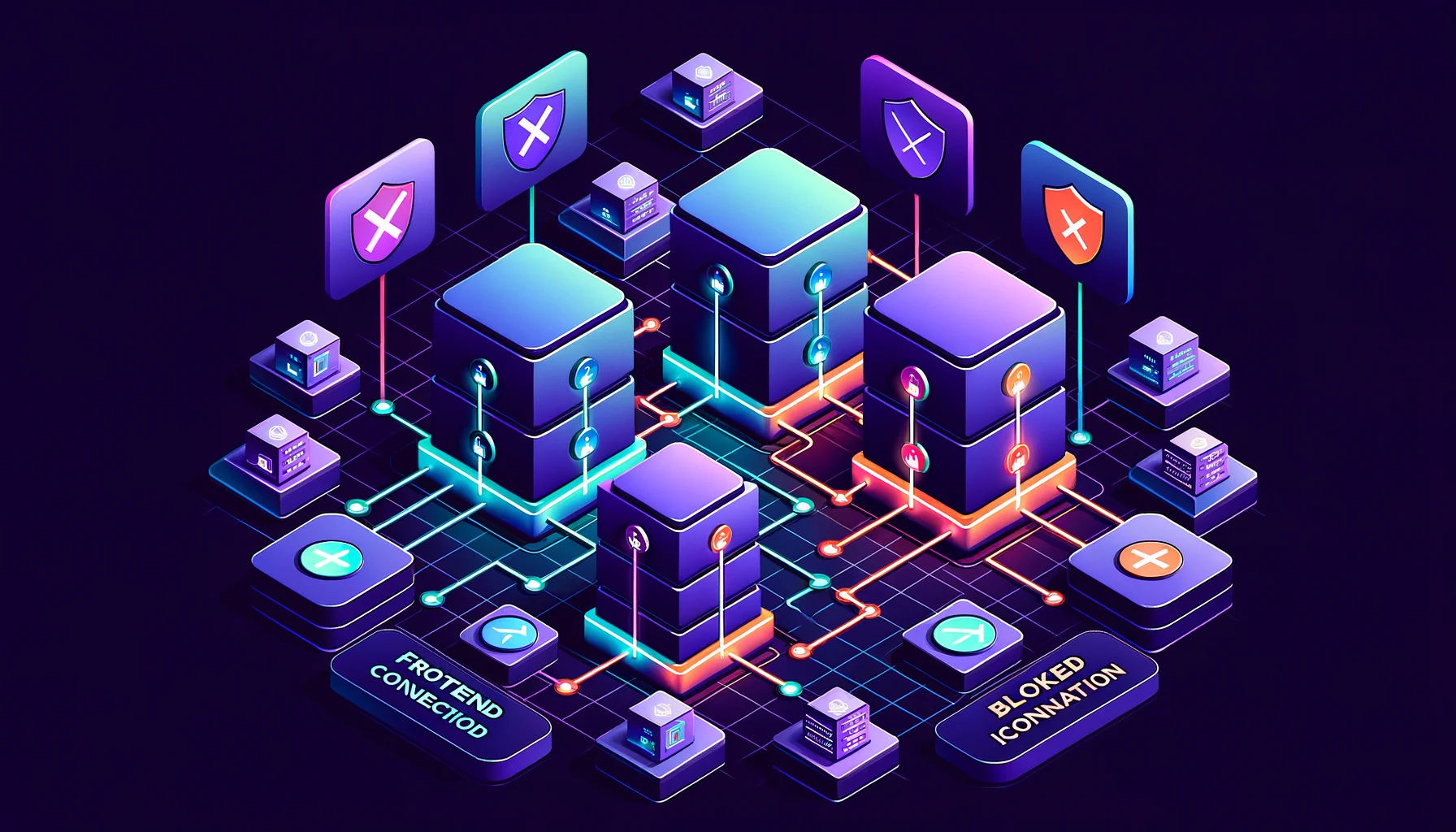
Kubernetes Network Policies visual guide

Kubernetes Network Policies: A Visual Guide to Pod Security

Kubernetes Network Policies are one of those features that everyone knows they should use but few actually understand. The YAML looks intimidating, the behavior is non-intuitive, and the mental model takes time to develop. I’ve spent hours debugging policies that “should work” but didn’t. Let me save you that pain with a visual approach to understanding Network Policies. The Default: Everything Talks to Everything By default, Kubernetes allows all pod-to-pod communication. Any pod can reach any other pod across any namespace. This is convenient for getting started but terrible for security. ...

February 8, 2025 · 6 min read · Tom Meurs