Kyverno policy governance visualization

Kyverno Policies: Governance as Code for Kubernetes

Rules that exist only in documentation don’t get followed. Rules enforced by computers do. Kubernetes gives you incredible flexibility. Every team can deploy whatever they want, configured however they like. This freedom becomes chaos without guardrails. Kyverno is a policy engine for Kubernetes. It validates, mutates, and generates resources based on policies you define — as Kubernetes-native YAML. Why Kyverno? There are multiple policy engines: Open Policy Agent (OPA) with Gatekeeper, Kyverno, Kubewarden. I chose Kyverno because: ...
July 14, 2025 · 7 min read · Tom Meurs
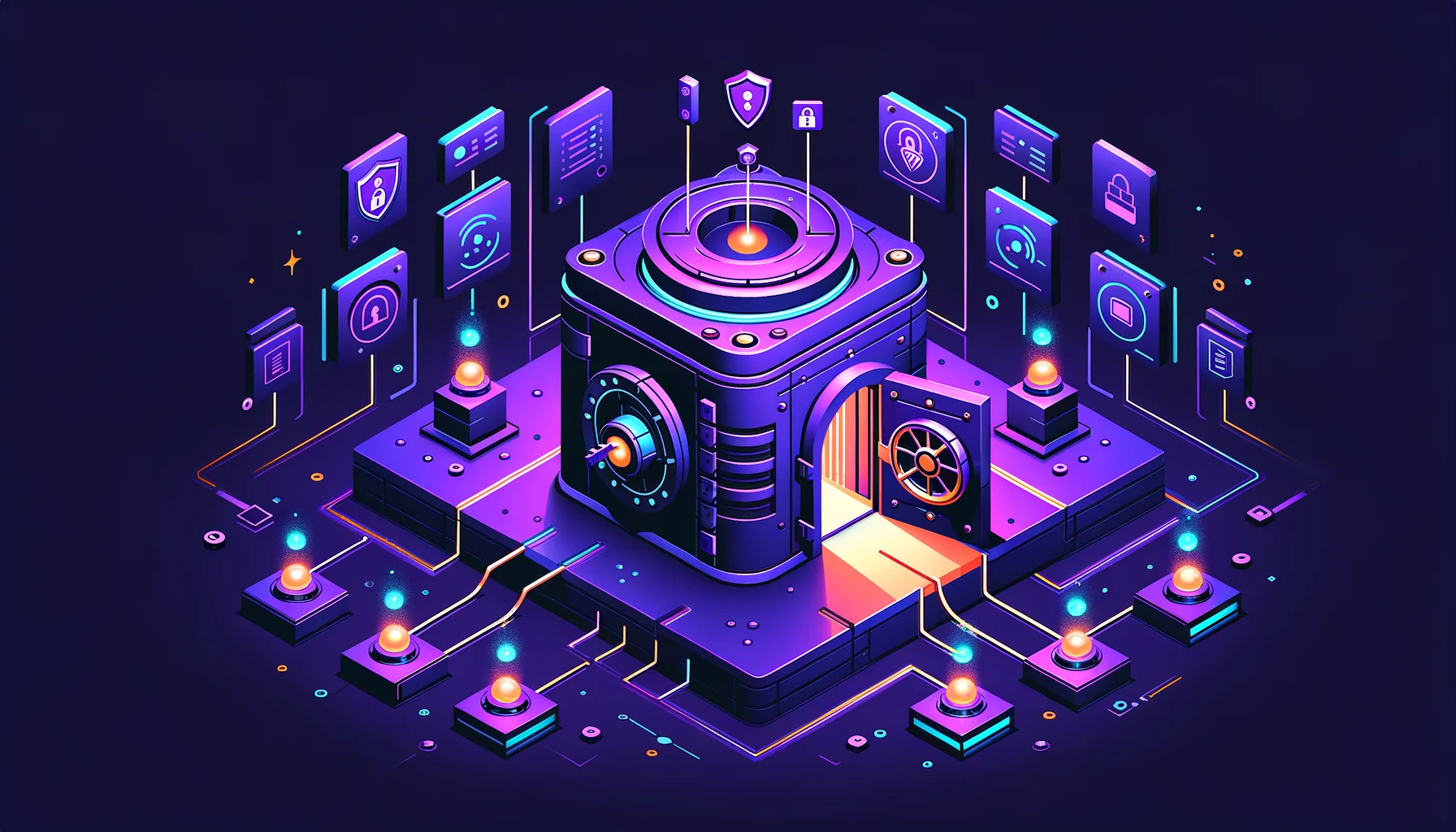
Vault secrets management visualization

Vault for Beginners: Secrets Management in Kubernetes

Kubernetes Secrets are not secrets. They’re base64-encoded plain text, stored in etcd, often visible to anyone with cluster access. This is the default, and it’s terrifying. Every cloud provider offers a Key Management Service. AWS has Secrets Manager, Google has Secret Manager, Azure has Key Vault. They work fine — until you need to migrate, or you want to understand what happens to your secrets, or you simply don’t want your most sensitive data in someone else’s infrastructure. ...

July 2, 2025 · 8 min read · Tom Meurs
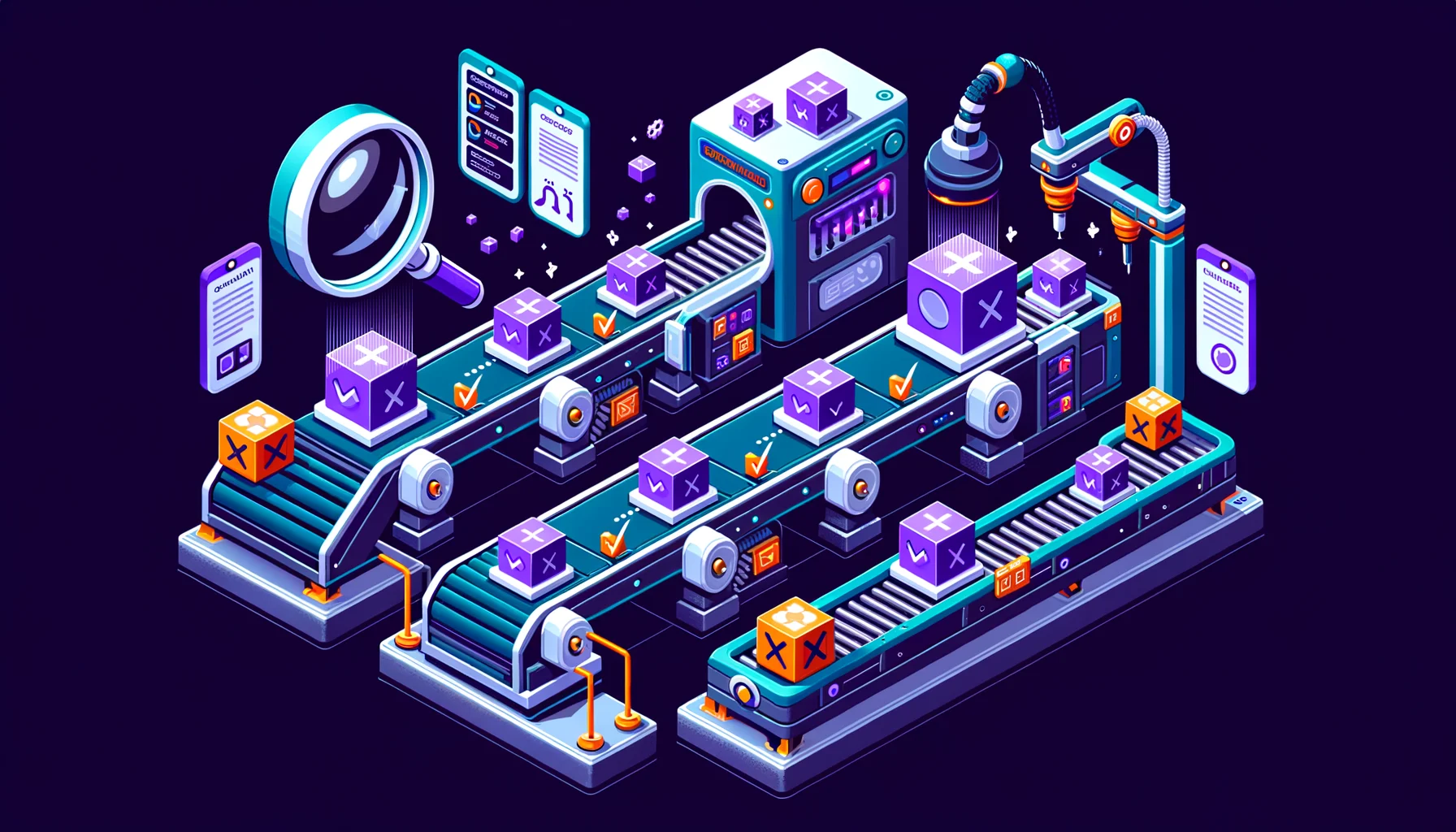
Progressive delivery visualization with traffic shifting

Progressive Delivery with Argo Rollouts: Canary and Blue-Green Deployments

Every deployment is a risk. The question isn’t whether something will go wrong — it’s how much damage it will cause when it does. Traditional Kubernetes deployments are all-or-nothing. You push a new version, and within seconds, 100% of your traffic hits the new code. If there’s a bug, everyone sees it. If the service crashes, all users are affected. Progressive delivery changes this equation. Instead of deploying to everyone at once, you gradually shift traffic to the new version, validating at each step. If something goes wrong, only a fraction of users are affected. ...

June 20, 2025 · 8 min read · Tom Meurs
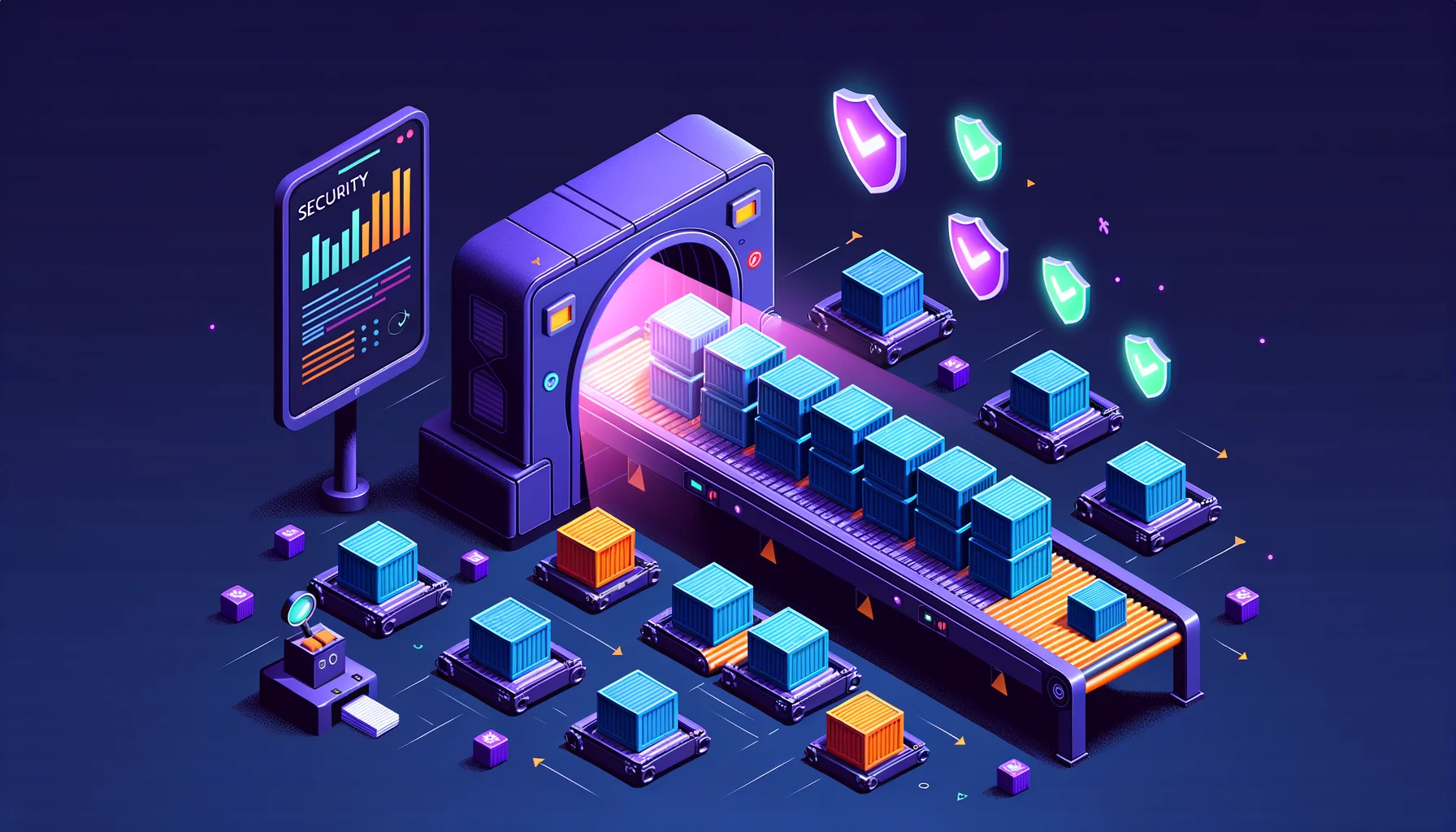
Container security scanning pipeline visualization

Container Image Scanning with Trivy in Your CI Pipeline

You can’t secure what you don’t understand. And with container images, understanding means knowing exactly what’s inside — every package, every library, every potential vulnerability. Most teams treat their container images as black boxes. They pull a base image, add their code, and push it to production. But that base image? It contains hundreds of packages you didn’t explicitly choose. Any of them could have known vulnerabilities. Trivy makes the invisible visible. It’s an open-source vulnerability scanner that tells you exactly what’s in your images and what risks they carry. ...

June 8, 2025 · 7 min read · Tom Meurs
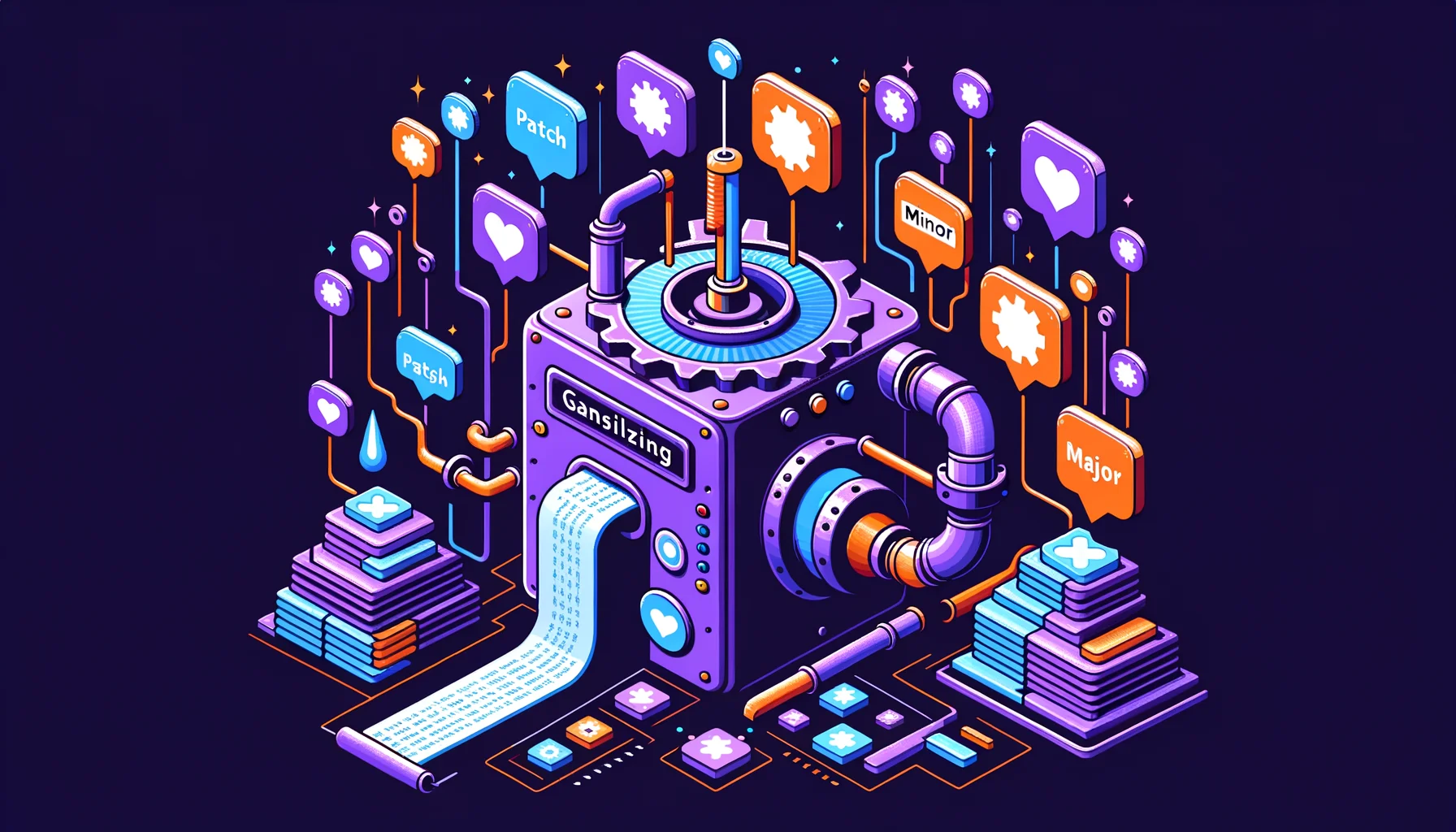
Automated semantic versioning pipeline

Automating Semantic Versioning with GitLab CI

Version numbers shouldn’t be a decision. They should be a consequence of the changes you made. Semantic versioning (semver) has clear rules: MAJOR: Breaking changes MINOR: New features, backwards compatible PATCH: Bug fixes, backwards compatible But manually deciding “is this a minor or patch?” is error-prone and inconsistent. Let’s automate it. The Core Idea: Conventional Commits The magic ingredient is conventional commits — a standardized commit message format that tells tooling what kind of change you made. ...

May 27, 2025 · 5 min read · Tom Meurs